
 1. Wi-Fi Connectivity and AI Assistance
A growing demand for smarter, more connected appliances throughout the home extends to the laundry room, where washers and dryers that incorporate Wi-Fi connectivity, artificial intelligence and advanced sensors are becoming both standard and more helpful than they seemed in the past. Most of the biggest players in the laundry game — LG, Samsung, Whirlpool and GE — showed off new or updated machines that used some combination of these technologies to make washing and drying clothes more efficient and foolproof than ever.
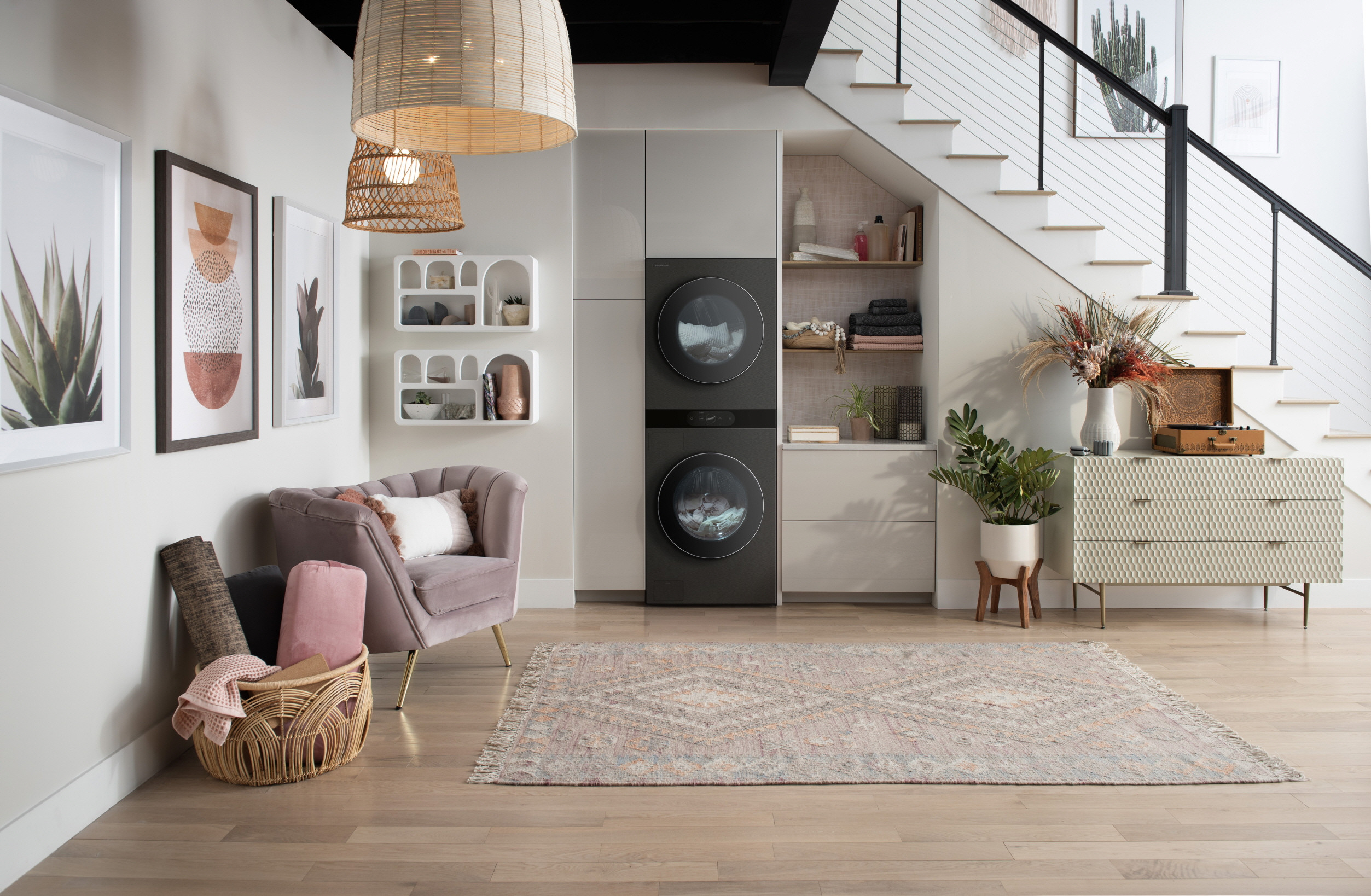
The latest LG Signature 29-inch WashTower, pictured here, is a great example of these trends in action. It uses artificial intelligence to analyze fabric types, load size and soil levels, automatically dispensing the correct amount of preloaded detergent and fabric softener and optimizing the wash cycle for better performance. The dryer’s moisture sensor then optimizes the dry cycle to save energy and prevent damage to clothing. The machines can also connect to LG’s ThinQ app, which enables users to adjust settings and start and stop cycles from anywhere, as well as control the machines using voice commands via voice assistants like Amazon Alexa and Google Assistant. A hidden bonus is that this connectivity also allows for automatic software updates, so your appliances can evolve and gain new features over time.
 2. Fresher Front-Loaders
Front-loading washing machines are known for using less water, detergent and energy compared with top-load models. Additionally, front-loaders usually can be stacked, which makes them ideal where space is tight. Perhaps this explains why they’re gaining popularity in U.S. households. One common complaint among front-loader users, however, is the need to wipe down the machine or leave the door open after each load to prevent mold and odors. To address this, manufacturers such as GE and Whirlpool are incorporating innovative solutions like antimicrobial materials and improved drainage systems in their machines to keep the appliance fresh even when the door is closed.
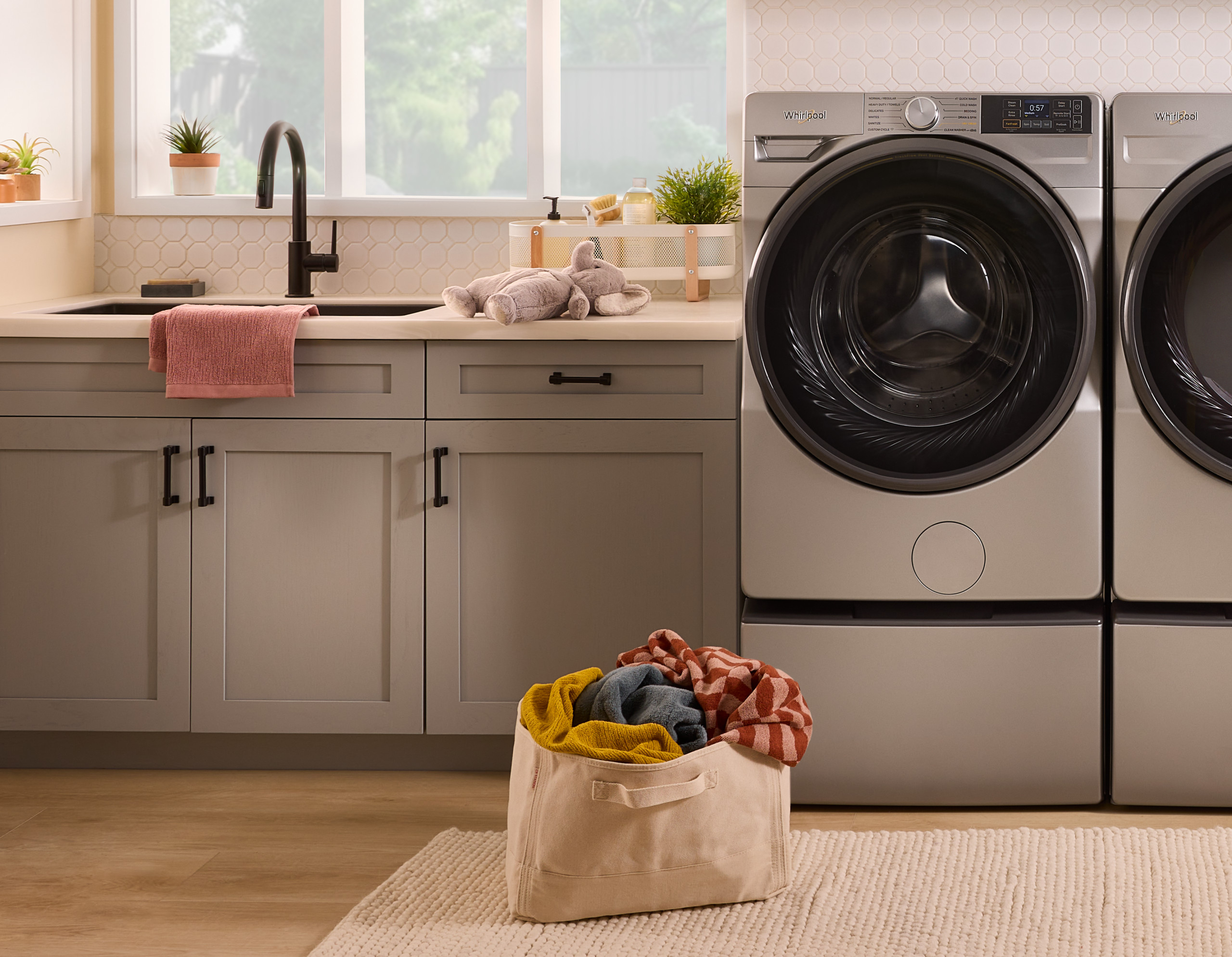
A prime example that makes an impression is this Whirlpool Smart front-load washer with the FreshFlow Vent System. This washer has antimicrobial protection on the rubber door seal to prevent odor-causing mold and bacterial growth, as well as a “dry drum” cycle that dries out the drum, rubber gasket and door using a powerful built-in fan. A fan and periodic tumbling also keep just-washed clothes fresh until they’re ready for the dryer, which means no need for wasteful rewashing of those wet towels you forgot about.
 3. Efficient, Installation-Friendly Combination and Ventless Units
Ventless combo washer and dryer units have heat pump dryers that absorb and collect moisture from tumbling clothes while recycling the hot air instead of venting moist, hot air to the outside. While these all-in-one units typically take longer to dry clothes than their vented counterparts, the latest machines are faster, more efficient and, in some cases, less expensive than older models, driven by consumer demand for space-saving, energy-efficient solutions. They’re particularly popular in smaller homes, apartments and places with a hookup and a drain but where venting isn’t an option. Making installation even more flexible, they often have a 120-volt plug requirement versus the 240-volt common for standard electric dryers.
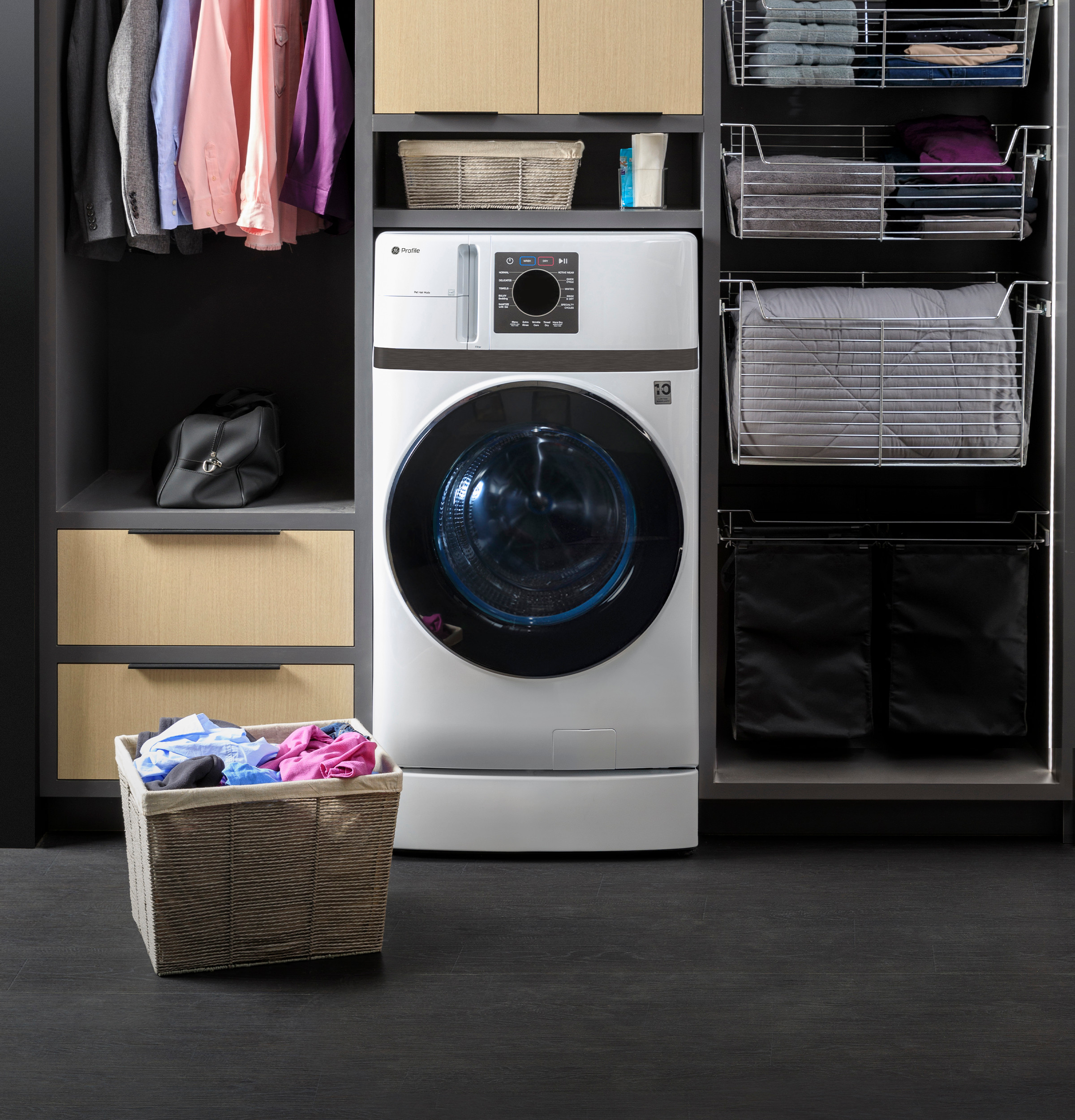
One standout machine, the latest version of the Wi-Fi-enabled GE Profile UltraFast Combo washer and dryer, pictured here. It has a slightly smaller capacity than its predecessor and is available only in white but can still wash and dry a large load in about two hours, and it’s being offered at a lower price point, according to GE.
 4. Steam-Assisted Washing, Drying and Sanitizing
In washers, steam can help lift stains and odors without chemicals, and in dryers and dedicated steam closets (including the LG Styler and the GE Profile Steam Closet) it can refresh clothes and release wrinkles. It also sanitizes clothes effectively during both the wash and dry cycles. And in some cases, steam can refresh and de-wrinkle clothes that are labeled dry clean only.
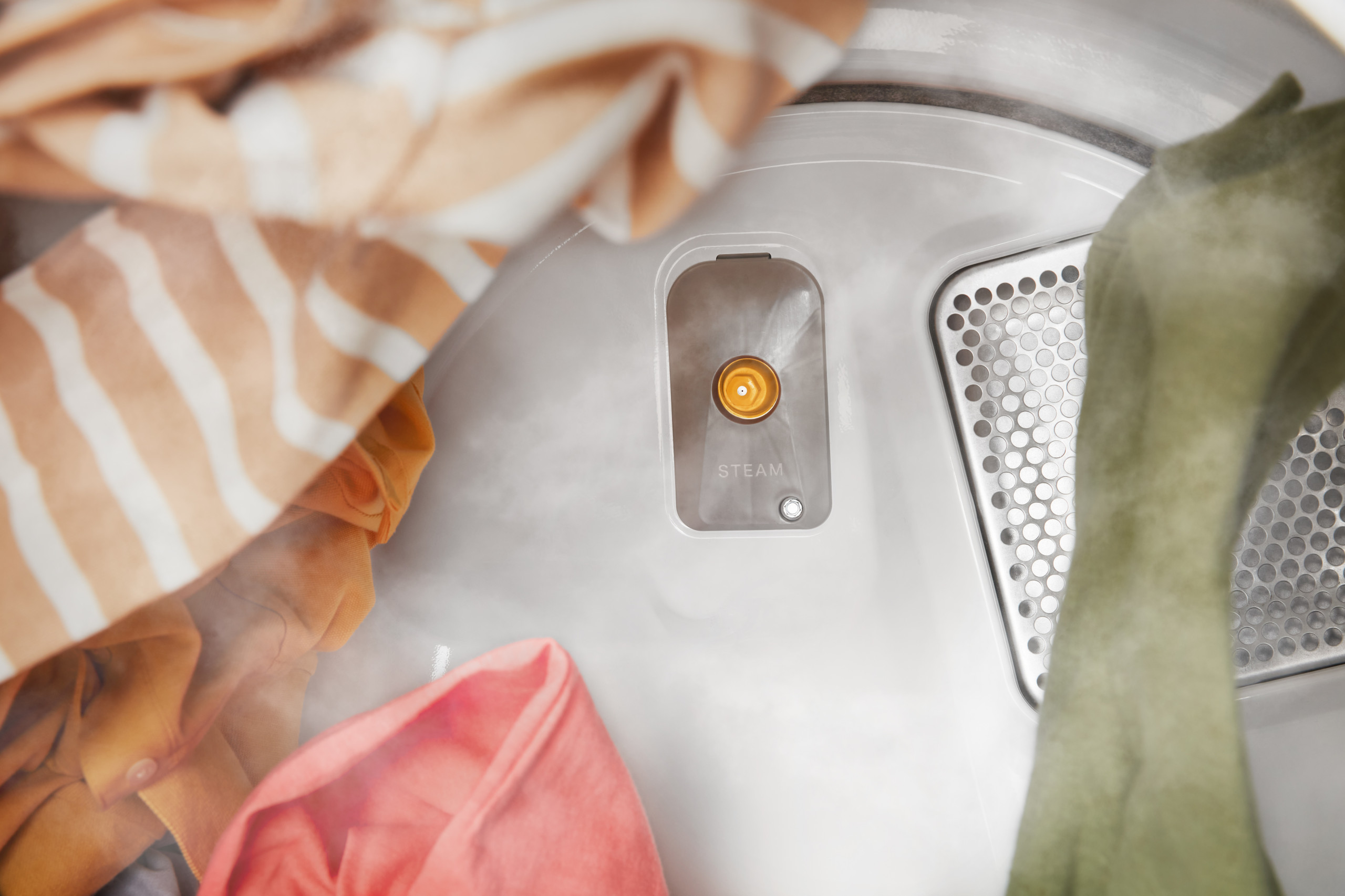
The previously pictured GE Profile UltraFast Combo washer and dryer is one example of a machine that uses steam to improve laundry performance — in this case, in both the wash and dry cycles. Another is this Energy Star-rated, Wi-Fi-connected and AI-equipped Whirlpool gas dryer, which has a Steam Refresh Cycle to release wrinkles without the need for rewashing — or tracking down an iron and ironing board.
 5. Blue, Green and Graphite Finishes
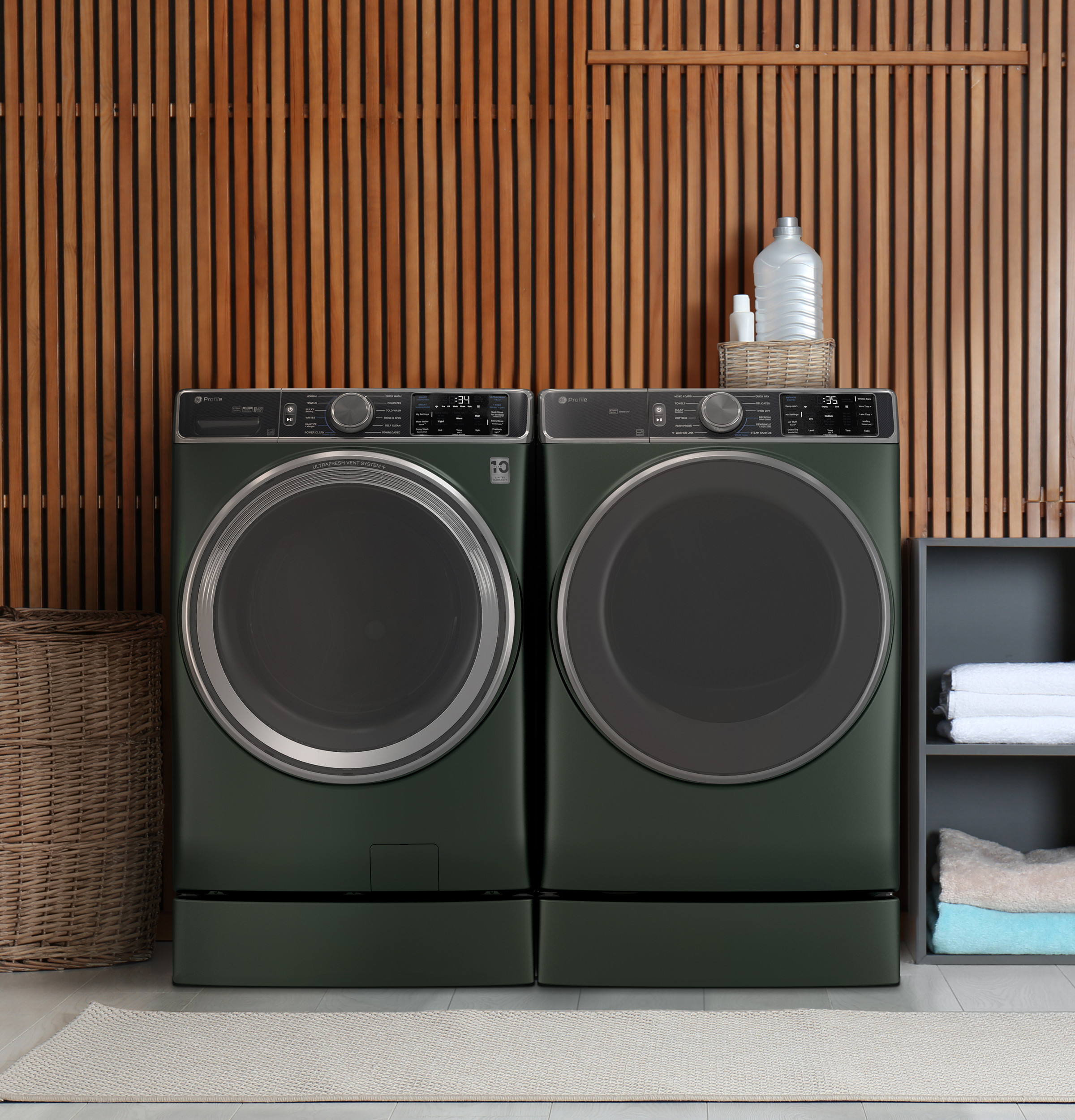
Not surprisingly, the vast majority of laundry machines are white. But, as was the case with kitchen appliances this year, if a fashion-forward finish was an option, you could bet on it being dark green, dark blue or graphite.
The GE Profile front-load washer and dryer, pictured here in the recently launched Jade Green option, are an attractive example of this trend. The cutting-edge machines also embody many of the latest innovations in laundry appliances. They’re energy-efficient and Wi-Fi-connected. They have snazzy AI capabilities and advanced sensors, as well as steam-assisted washing, drying and sanitizing capabilities. Users can wash and dry a small load in the washer alone, eliminating the need to transfer clothes to the dryer. The washer also has GE’s UltraFresh Vent System and antimicrobial technology, which allow users to keep the washer door shut without fear of odors.