
What exactly is a crowd-pleasing scent? That may seem a matter of debate, since an aroma’s appeal can be quite subjective. But there are definite strategies to follow. Read on for five guidelines for creating a pleasant home scent for prospective buyers.

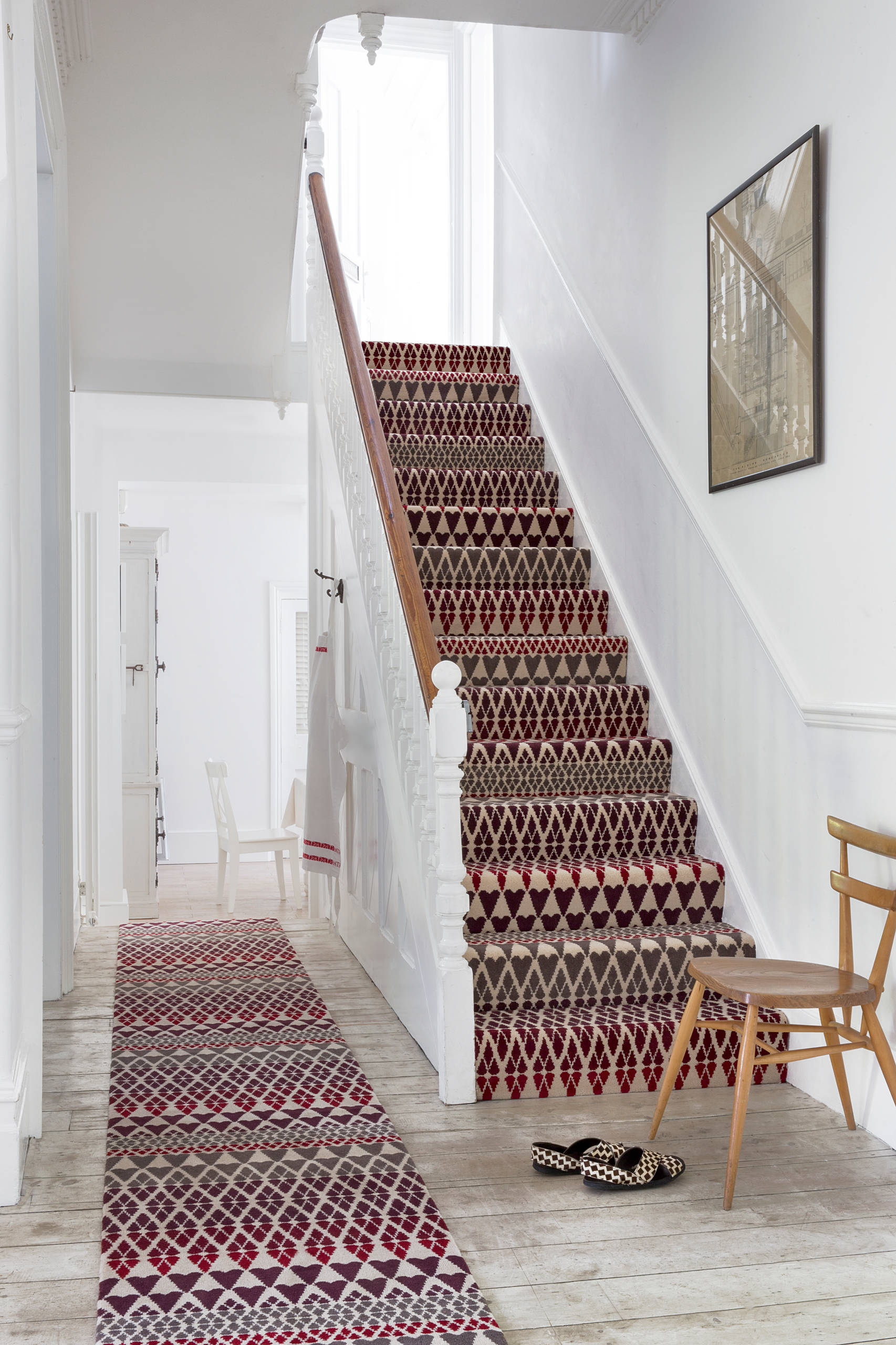 For carpets and rugs, a good vacuuming or steam cleaning should do the trick. Unless you’re on a mission to remove heavy pet odors, try not to use perfumed rug shampoos, since the heavy detergent odors tend to linger.
 2. Eliminate food and pet odors. Whether you’re a cat lover or a gourmand, you may no longer notice the odors from pets or cooked food in your home. But for a potential buyer, these smells are at the very least distracting, and in some cases may even be offensive. Remember, buyers are there to view your home and — hopefully — to imagine themselves living in it. You don’t want them focusing on any unwanted odors. To gauge whether such odors are noticeable in your home, ask a friend whom you can trust to tell you the truth.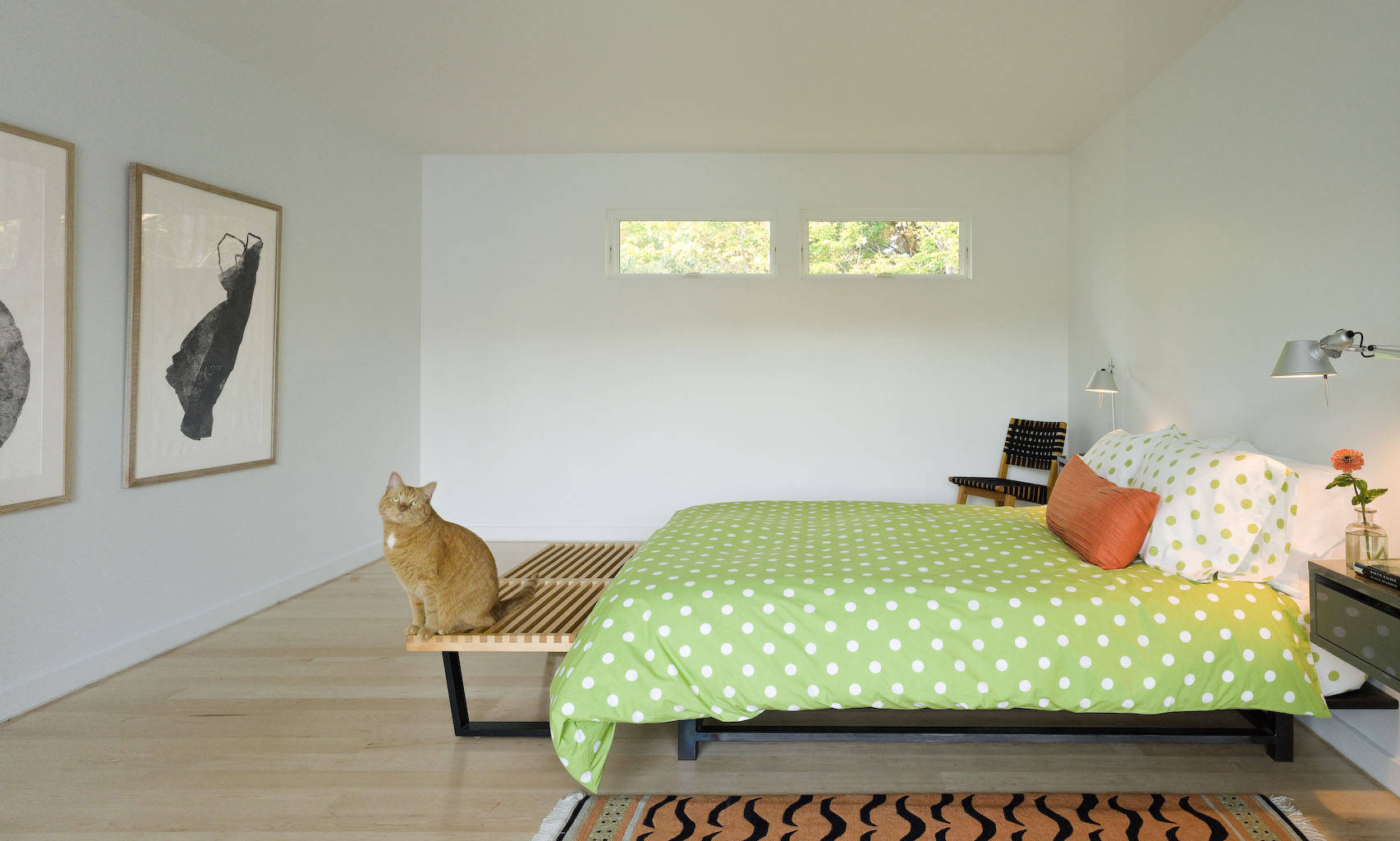
Eliminating pet smells might require a bit more than a deep cleaning. These odors often live in carpet, rugs and upholstered furniture. Popular carpet or upholstery cleansers might just mask the smell instead of eliminating it.
For heavy pet smells, I recommend having your carpets and upholstered items professionally steam-cleaned well in advance of your first showing. This will give any lingering detergent smells time to fade. If steam cleaning doesn’t get rid of the odors, replacing a still-smelly item with a non-upholstered version will go a long way toward making your home more appealing to a buyer.
One more tip: Be sure to remove your dog bed or litter box before a showing.
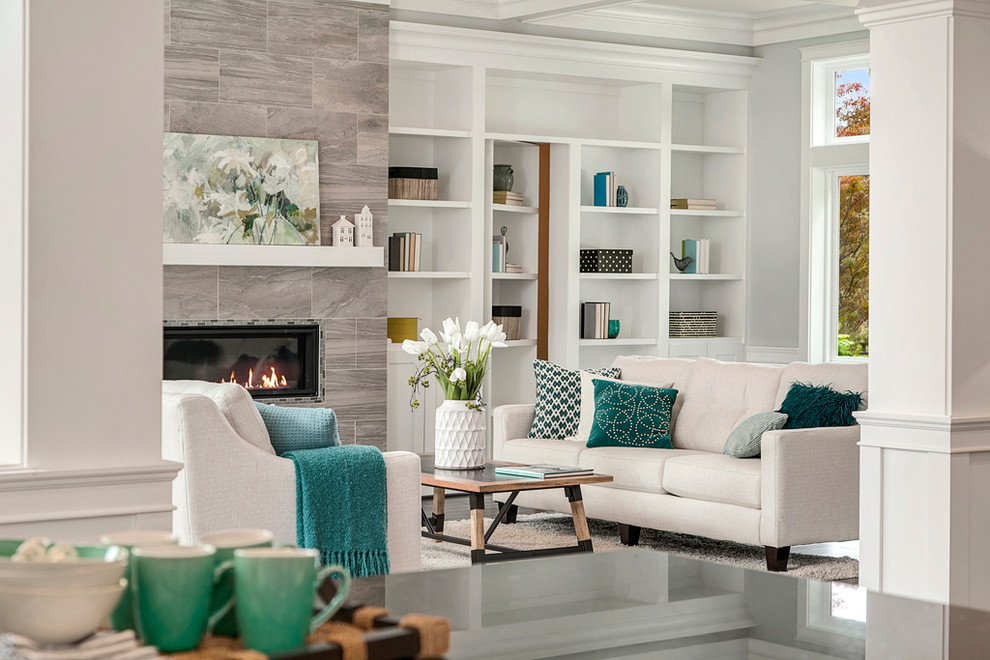 3. Keep it fresh and simple. When it comes to choosing a scent to permeate your home, refrain from breaking out the potpourri — and forget the conventional wisdom about freshly baked cookies. Instead, take the advice of professionals like Eric Spangenberg, dean of the University of California, Irvine Paul Merage School of Business. He cautions against using complex or mingled scents, because his research suggests that people can be distracted by a mixture of smells — they subconsciously spend a portion of their cognitive energy trying to identify the scent.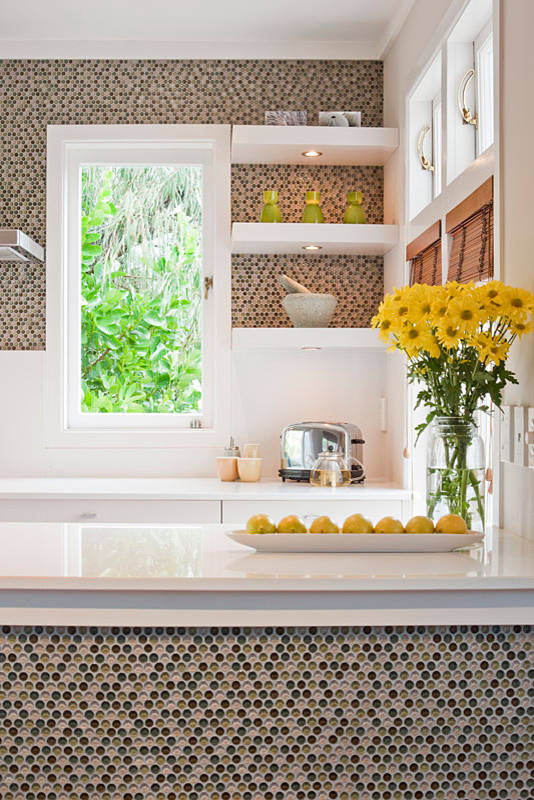
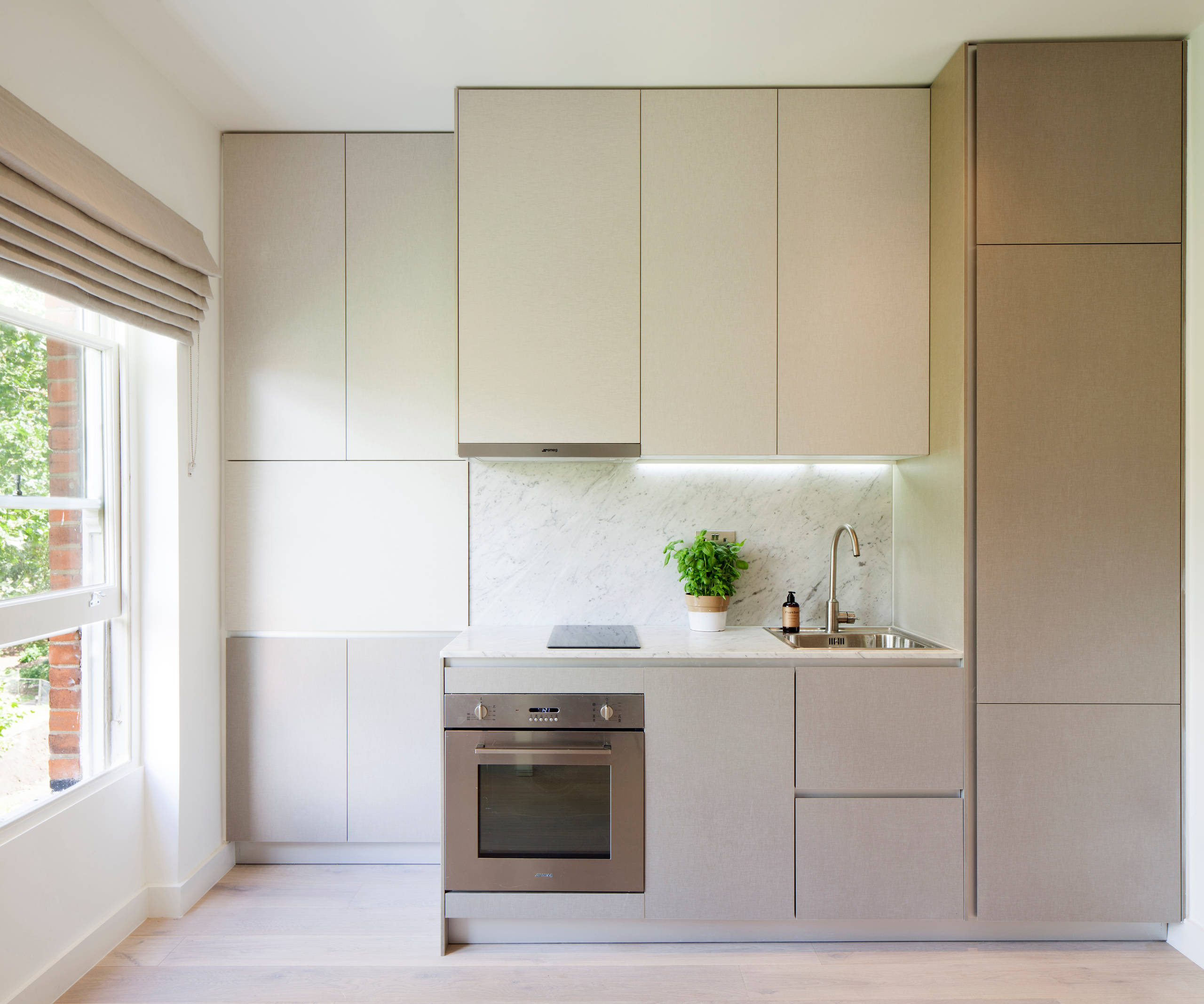 4. Less is more. Introducing a simple scent to your home-staging efforts doesn’t necessarily mean you can drench the home in that one smell. Remember, less is more: You want potential buyers to appreciate the home, not be bowled over by an overwhelming smell of lemons.
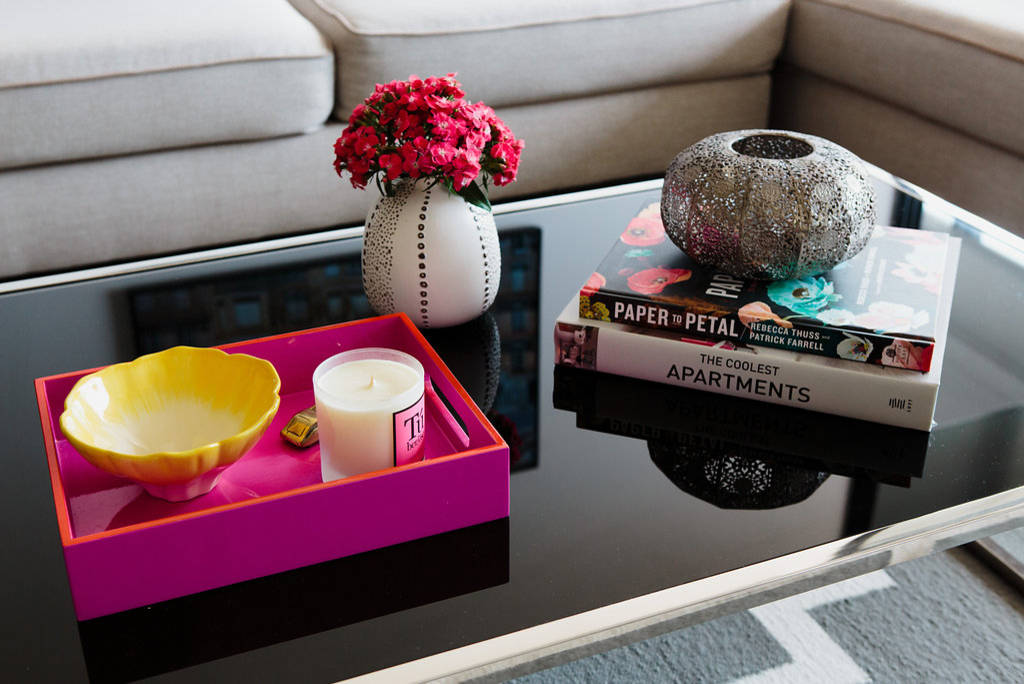 One way to achieve a subtle scent is to use just one reed in a diffuser. Alternatively, if you select a scented candle, burn it briefly before the open house starts. Look to organic scented products — as opposed to synthetic alternatives — as they tend to be more muted and give off less of a chemical smell.
 5. Let the scent reflect the space. Finally, select a scent that is appropriate for the general environment and aesthetic of the home. For example, if you have a lot of wooden beams and walls, cedar might enhance the ambience. Likewise, if you’re near the beach, go for something fresh.
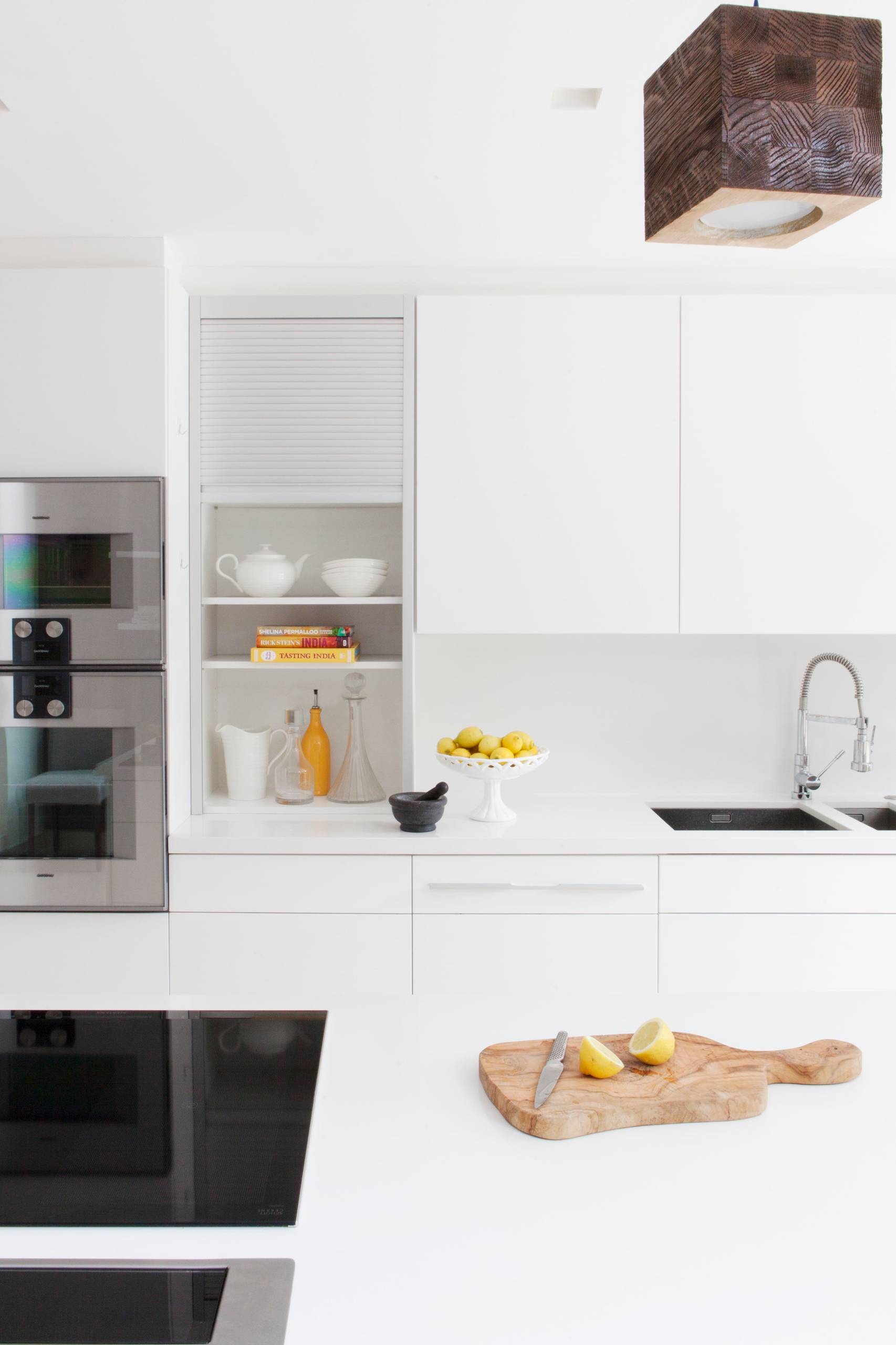 If there’s no noteworthy natural feature nearby, don’t worry. For your clean and sparkling-white kitchen, a crisp lemon scent would certainly convey an uplifting feeling to a buyer. In other words, choose a scent that speaks to the general feeling of the home and underscores its positive attributes.
Try using unscented or subtly scented cleaning products — those that are plant-based or eco-friendly and natural can be good choices. If you do use ammonia- or bleach-based cleansers, look for ones infused with fresh scents like lemon to help negate the harsh chemical smell.